You're at gate 22 when the board flips from On Time to Cancelled. Or you're the last one standing at the carousel, watching an empty belt. The next hour decides whether this becomes an inconvenience or a two-day detour, and most of it comes down to what you do rather than what the airline does. Read this before your next trip, not during it.
The first hour: move fast, but in the right order
Panic is understandable. Queueing behind 180 other passengers is not the best use of it. Work through these steps as soon as you know something is wrong.
- Check the airline's app before you join a line. Many carriers push rebooking options to your phone faster than staff can serve the queue. If a suitable flight is offered, take it, then sort out the rest later.
- Get in the queue anyway, but call the airline's customer service line at the same time. Ask whether there's an international or premium number; those lines are often quieter.
- Ask for something specific. "I'd like to be rebooked on the next available flight to Lisbon today, including on a partner airline, at no extra cost" gets further than "what are my options?"
- Don't leave the airport until you have a confirmed rebooking, a hotel voucher if one is due, and — if the trip is cancelled — a clear answer about your checked bag.
- Get names and times. Note who you spoke to and when. If the airline promised a hotel or a taxi reimbursement, ask them to email or text it to you.
Know the three separate things you may be owed
Travelers often confuse these, and airlines benefit from the confusion.
Care
Meals, refreshments, phone calls, and a hotel with transfers when a delay forces an overnight stay. In the EU and UK, this kicks in once a delay passes a distance-based threshold, and it applies even when the cause is weather or a strike. In the United States, there's no blanket legal requirement, but many major airlines commit to meals and hotels in their own customer service plans, so check yours. If your delay is during a layover, the airport you're stuck in is where you claim care — not your original departure point.
Refunds
If the airline cancels your flight or makes a significant schedule change and you decide not to travel, you're generally entitled to your money back to the original payment method, not just a voucher. That principle holds under EU and UK rules and in US Department of Transportation policy. Vouchers with expiry dates are a commercial offer, not an obligation you have to accept.
Compensation
Separate from both. Under EU and UK rules, fixed compensation applies to cancellations and to delays that reach three hours at your final destination, when the cause counts as within the airline's control. The amounts run from roughly €250 to €600, or £220 to £520 under UK rules, depending on distance. Weather, air traffic control restrictions and security alerts are usually treated as extraordinary circumstances, which removes the payment — though care and refunds can still be due.
Baggage is covered by the Montreal Convention, which most countries follow. Airlines are liable for lost, delayed or damaged bags up to a limit of around 1,300 Special Drawing Rights per passenger, converted into your currency. If a bag isn't delivered within 21 days, you can generally treat it as lost and claim accordingly. Rules differ by country, ticket type and airline, so for a serious dispute, a national consumer body or a lawyer is worth the call.
Documents to collect while it's all still fresh
- Boarding passes and booking confirmation — screenshot them, don't rely on airport wifi.
- The Property Irregularity Report (PIR) number for a missing bag. Do not leave the baggage hall without it, and photograph the paper.
- Baggage tags, plus a photo of the bag itself.
- Receipts for everything the disruption cost you: meals, taxi, hotel, parking, phone charges, replacement toiletries and clothing.
- A short timeline: what happened, when, what the airline said, who said it.
- Photos of any damage before you leave the airport, from several angles.
If your bag doesn't arrive
File the report at the airport, keep the PIR number, then ask what the airline will cover for essentials while you wait. Buy what you actually need — toiletries, a shirt, a charger — and keep every receipt. A modest, reasonable claim is far easier to win than a new wardrobe.
Deadlines matter. Under the Montreal Convention, you generally need to complain in writing within seven days for damage and within 21 days for delay. If the bag is gone for good, submit a written claim with your receipts and a list of contents, keeping a copy of everything. Airlines often make a first offer below your real loss; you can respond with the receipts and ask again.
When the airline says no
Escalate in writing, and keep it short. Send one clear email to customer relations: flight number, date, what went wrong, what you're asking for, and the receipts attached. Avoid sarcasm; a facts-only message gets routed to someone with authority more often than an angry one.
If that fails, go to the enforcement body for the country you departed from or arrived in — the Department of Transportation for US flights, the Civil Aviation Authority in the UK, national enforcement bodies in EU states, or the airline's approved dispute resolution scheme. As a final step, your credit card issuer may help with a chargeback for a service you paid for and didn't receive.
Five minutes before every flight that saves hours later
Pack medication, chargers, documents, keys and one change of clothes in your carry-on. Photograph your packed bag's contents. Put your name, phone and email inside the bag as well as on the tag. Save your booking, insurance policy and the airline's disruption policy where you can find them offline. Book with a card that includes travel protection, and check what your travel insurance actually covers, including the excess, before you need it.
The calm version of all this
Disruptions are a system problem, not a personal one, and almost all of them end with you arriving somewhere, later than planned. What separates a smooth recovery from a frustrating one is preparation: a photo of your bag, a folder of receipts, a clear ask at the desk, and a written follow-up. Airlines rarely volunteer what you're owed. Ask politely, ask specifically, and ask in writing. Then get on with your trip.
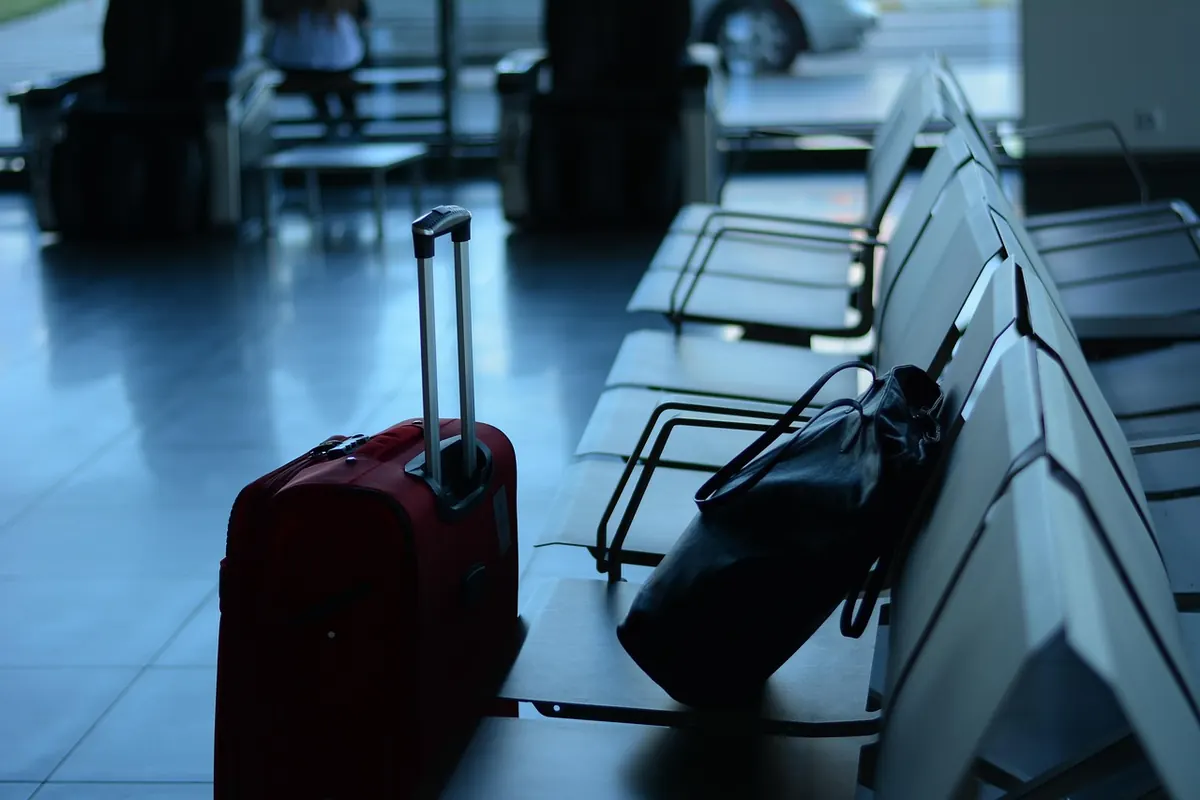
Photo: StelaDi / Pixabay